Amidst rifle shots and whooping cries in the pre-dawn
darkness, a veteran Irish-American cavalry soldier and a little girl seek shelter
from attacking Apaches in the ruins of a Catholic mission; as they hurry
through the dilapidated chapel, both pause, turn, and genuflect in the
direction of the sanctuary before racing on to their escape.
This scene, from director John Ford’s Rio Grande,
perfectly embodies the way a Catholic upbringing manifests itself in the work
of Catholic artists; whether or not they drifted from the faith later in life, their roots remained. Not
only Catholic imagery, but also notions of grace and redemption, sin and
innocence, and the importance of adhering to principles even when the world is
against you—all these elements of a Catholic mentality are often so deeply embedded
in the perspective of Catholic filmmakers that it cannot help but shine through
in their repertoire. Three of Hollywood’s
most brilliant directors—Frank Capra, John Ford, and Alfred Hitchcock—were all
raised Catholic, though they did not all exactly fit in the “practicing,
faithful Catholic” category. However, regardless of any apparent imperfection
of their personal faith lives, Catholic sensibilities were deeply entrenched in
their way of thinking and consequently in their films. Even if their faith was
somewhat battered and damaged, like the chapel in the scene from Rio Grande, and even if they moved in a
world rather hostile to Catholic principles, they almost unconsciously turned
to give it reverence, by the content, color, and characters that make up the
focus of their work.
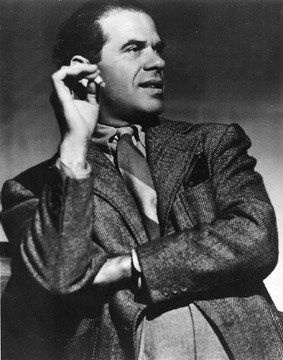
 An Italian Catholic, Frank Capra was a champion of hanging
on to beliefs and ideals when it seems least likely they will triumph. He had
an abiding Catholic confidence in man’s basic goodness, and a likewise Catholic
respect for the common man. His films celebrated the ordinary man standing up
against corruption, greed, and selfishness; he focused on the need for
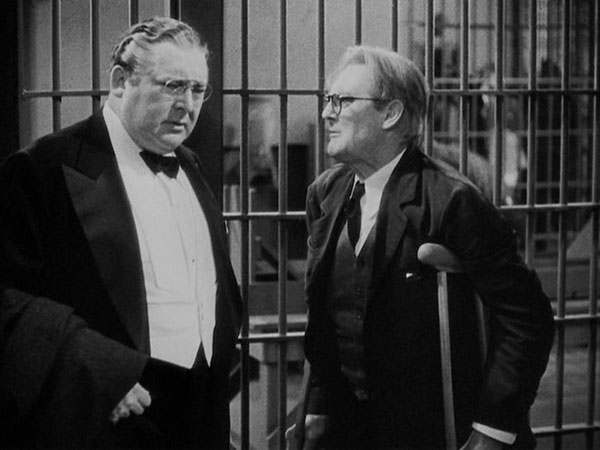
self-sacrifice to bring about change in a wicked world. Mr. Smith Goes To Washington is Capra’s moving call for selfless
patriotism, in the story of a young, idealistic politician who is “crucified,”
as one character puts it, when he takes a stand against corrupt government; it
is only when the hero sticks to his ideals, even when they are a “lost cause,”
that he undergoes a political death and resurrection and comes out victorious.
The same basic concept is found in Mr.
Deeds Goes To Town. Arguably Capra’s most famous, It’s A Wonderful Life is a masterpiece of Catholic sentiment,
examining the heroic choice to live a quiet life of selfless duty even if it is
unglamorous or materially unsuccessful. You
Can’t Take It With You runs along similar lines, when Capra contrasts the
bitterness and heartbreak that results from pursuing only material pleasures
with the contentment and peace possessed by those who set their sights higher
and trust God to provide for them, like “the lilies of the field.”
An Italian Catholic, Frank Capra was a champion of hanging
on to beliefs and ideals when it seems least likely they will triumph. He had
an abiding Catholic confidence in man’s basic goodness, and a likewise Catholic
respect for the common man. His films celebrated the ordinary man standing up
against corruption, greed, and selfishness; he focused on the need for
self-sacrifice to bring about change in a wicked world. Mr. Smith Goes To Washington is Capra’s moving call for selfless
patriotism, in the story of a young, idealistic politician who is “crucified,”
as one character puts it, when he takes a stand against corrupt government; it
is only when the hero sticks to his ideals, even when they are a “lost cause,”
that he undergoes a political death and resurrection and comes out victorious.
The same basic concept is found in Mr.
Deeds Goes To Town. Arguably Capra’s most famous, It’s A Wonderful Life is a masterpiece of Catholic sentiment,
examining the heroic choice to live a quiet life of selfless duty even if it is
unglamorous or materially unsuccessful. You
Can’t Take It With You runs along similar lines, when Capra contrasts the
bitterness and heartbreak that results from pursuing only material pleasures
with the contentment and peace possessed by those who set their sights higher
and trust God to provide for them, like “the lilies of the field.” 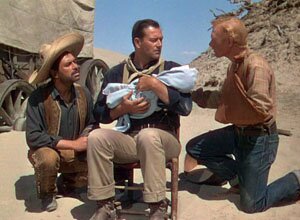
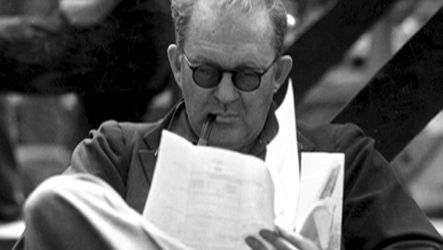 It doesn’t take much analysis of John Ford’s films to
realize that his Irish-Catholic heritage was the wellspring of inspiration for
the vast majority of his work. Ford loved to draw on the characters and imagery
from Irish-American history; Irish and Catholic characters abound in his films.
His pet project was The Quiet Man,
set in a small, Catholic, tradition-steeped Irish town; essential to the plot is
the fact that the characters look to their local priest for advice and help.
But Ford’s work also overflows with subtly Catholic themes of grace and
salvation. Stagecoach, for instance—often
hailed as the definitive Western—takes a motley handful of imperfect
characters—a drunk, an outlaw, a prostitute, a gambler, and a social snob—and
charts their journey through a purgatorial experience of mutual suffering. One
lesser-known but excellent Catholic-themed work from Ford is 3 Godfathers, in which three bandits
become the unlikely godparents and self-sacrificial saviors of an infant in the
desert, in a way that parallels the story of the three Magi.
It doesn’t take much analysis of John Ford’s films to
realize that his Irish-Catholic heritage was the wellspring of inspiration for
the vast majority of his work. Ford loved to draw on the characters and imagery
from Irish-American history; Irish and Catholic characters abound in his films.
His pet project was The Quiet Man,
set in a small, Catholic, tradition-steeped Irish town; essential to the plot is
the fact that the characters look to their local priest for advice and help.
But Ford’s work also overflows with subtly Catholic themes of grace and
salvation. Stagecoach, for instance—often
hailed as the definitive Western—takes a motley handful of imperfect
characters—a drunk, an outlaw, a prostitute, a gambler, and a social snob—and
charts their journey through a purgatorial experience of mutual suffering. One
lesser-known but excellent Catholic-themed work from Ford is 3 Godfathers, in which three bandits
become the unlikely godparents and self-sacrificial saviors of an infant in the
desert, in a way that parallels the story of the three Magi. 
 As a director, Alfred Hitchcock returned again and again to themes
of innocence and guilt; to tales of innocent men who find themselves entangled
in a world of espionage, or mistaken identity, or crime, who must reorder the
situation according to a higher standard of justice. Hitchcock also had a knack
for adding Catholic depth to his best thrillers by grounding the hero’s
adventures in a moral dilemma. Rear
Window, for instance, raises the question of whether voyeurism is ethical if
it allows one to prevent or uncover crime, when a man with too much time on his
hands begins spying on his neighbors and suspects one of murder. In Rope, the protagonist grapples with the ugliness
of intellectual pride—and how it spawns other grave sins. Hitchcock’s most
obvious return to his Catholic roots, however, was in I Confess, a chilling
examination of a (flawed) priest who keeps his vow to uphold the secret of the
confessional even when he is falsely accused of murder as a result.
As a director, Alfred Hitchcock returned again and again to themes
of innocence and guilt; to tales of innocent men who find themselves entangled
in a world of espionage, or mistaken identity, or crime, who must reorder the
situation according to a higher standard of justice. Hitchcock also had a knack
for adding Catholic depth to his best thrillers by grounding the hero’s
adventures in a moral dilemma. Rear
Window, for instance, raises the question of whether voyeurism is ethical if
it allows one to prevent or uncover crime, when a man with too much time on his
hands begins spying on his neighbors and suspects one of murder. In Rope, the protagonist grapples with the ugliness
of intellectual pride—and how it spawns other grave sins. Hitchcock’s most
obvious return to his Catholic roots, however, was in I Confess, a chilling
examination of a (flawed) priest who keeps his vow to uphold the secret of the
confessional even when he is falsely accused of murder as a result.
To be a Catholic means that the Catholic view of reality shapes
all we do, including the art we produce. The confidence in the existence and
importance of invisible things like moral principles, the fundamental goodness
of life, and man’s need for grace and redemption—these things deep in the spiritual
heritage of cinematic masters like Ford, Capra, or Hitchcock, are unmistakably
reflected in their artwork. Even if they were—like most of us—not perfect
Catholics, the themes and focus of their films prove they are the fruit of a
fundamentally Catholic perspective. They saw with Catholic eyes.